

02 Nov What Makes a Jewellery Website Feel Premium?
From detailed product photography to thoughtful storytelling, discover the website design details that help customers appreciate your jewellery and shop with confidence.
Jewellery is personal. A piece might celebrate a milestone, complete an everyday look, or become a gift someone treasures for years. Your website should communicate that meaning while helping customers understand the quality, scale, and craftsmanship of each design.
A premium jewellery website brings beauty and clarity together. It gives every piece room to shine and answers the questions customers would normally ask in a store.
1. A Visual Identity That Reflects Your Collection
Your website’s design should complement the character of your jewellery.
A heritage collection might suit warm ivory, deep burgundy, and elegant serif typography. A contemporary silver label might feel more natural with a clean layout and a restrained colour palette.
Use consistent colours, fonts, and image treatments throughout the store. Keep backgrounds and decorative elements balanced so the jewellery remains the focus.
The aim is to create a recognisable brand experience that feels considered on every page.
2. Photography That Captures Detail and Scale
Customers cannot hold a necklace or try on a ring online. Your photographs need to help them imagine both.
Combine clear product images with close-ups of settings, textures, clasps, and finishes. Include photographs of the jewellery being worn so shoppers can understand its proportions.
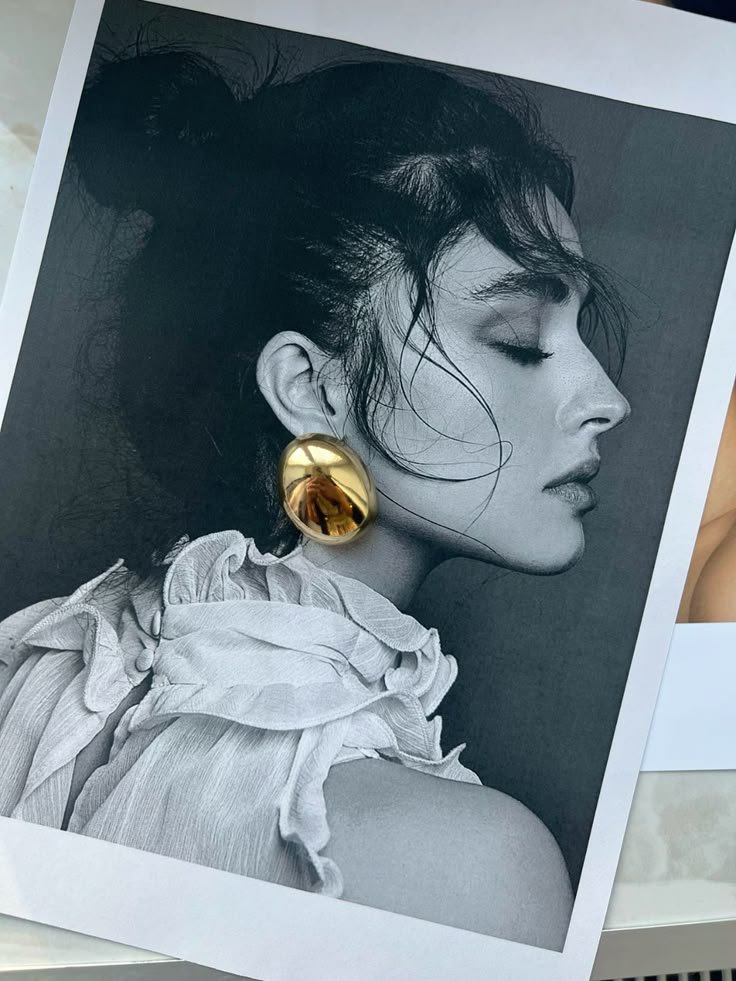
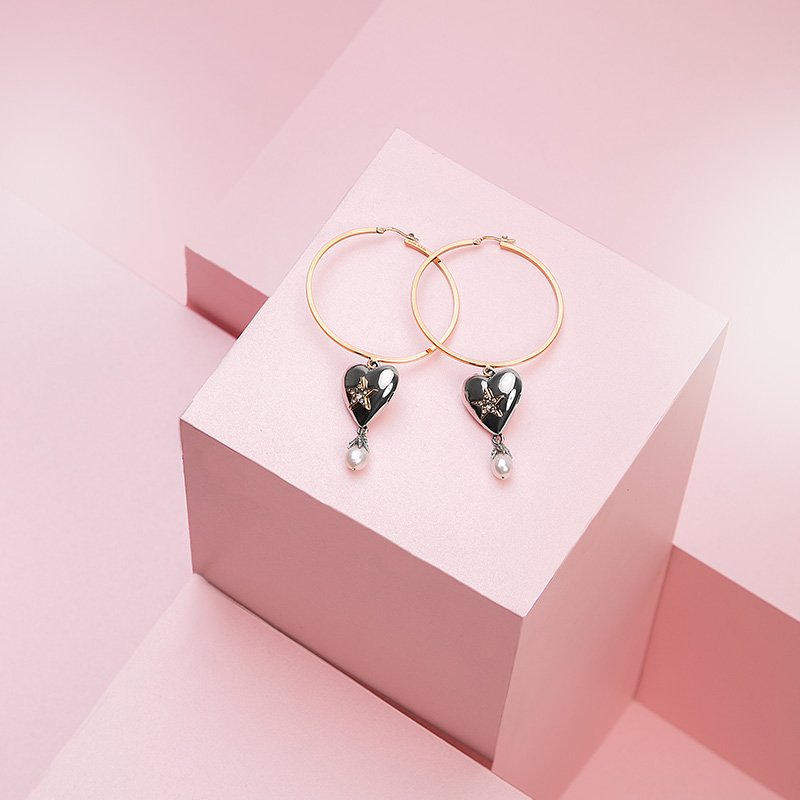
For earrings, show their length and how they sit against the face. For necklaces, demonstrate where they fall on the neckline. For rings, show the design from several angles.
Keep lighting consistent and colours accurate. Retouching should preserve the product’s real appearance.
3. Product Descriptions With Useful Information
Beautiful imagery attracts attention; specific information helps customers decide.
Clearly explain the metal, plating, stones, dimensions, and care requirements. Mention weight where relevant, particularly for larger earrings or statement pieces.
Describe materials accurately. Customers should be able to distinguish between solid gold, gold-plated jewellery, sterling silver, and other materials without searching through several pages.
A sentence such as “Gold-plated brass earrings with pearl detailing and a secure push-back closure” provides useful information while leaving room for a more expressive description of the design.
4. Collections That Make Browsing Easy
Organise your store around how customers shop.
Start with clear product categories such as earrings, rings, necklaces, and bracelets. Where useful, introduce collections for everyday wear, weddings, gifting, or statement pieces.
Filters should reflect your actual range. Product type, price, material, and availability can help shoppers narrow their choices without overwhelming them.
Use descriptive collection names and make it easy to return to browsing after viewing a product.
5. Storytelling That Gives the Jewellery Meaning
Your website is an opportunity to explain what makes your collection distinctive.
Share the inspiration behind a design, the techniques used to create it, or the founder’s approach to jewellery. Support these stories with photographs of sketches, materials, or the making process.
Keep claims specific and truthful. If a piece is handcrafted, explain the work involved. If a collection draws on a regional tradition, describe that connection thoughtfully.
A clear story helps customers appreciate the design beyond its appearance.

No Comments